Long Answers · 4 min read · By the house
And If Every Tap Is The Same Hazy Thing?
Takes seriously the fatigue many drinkers feel with homogeneous tap lists, examines why it happened, and offers a way of ordering — and thinking — when the beer list offers less variety than it appears to.
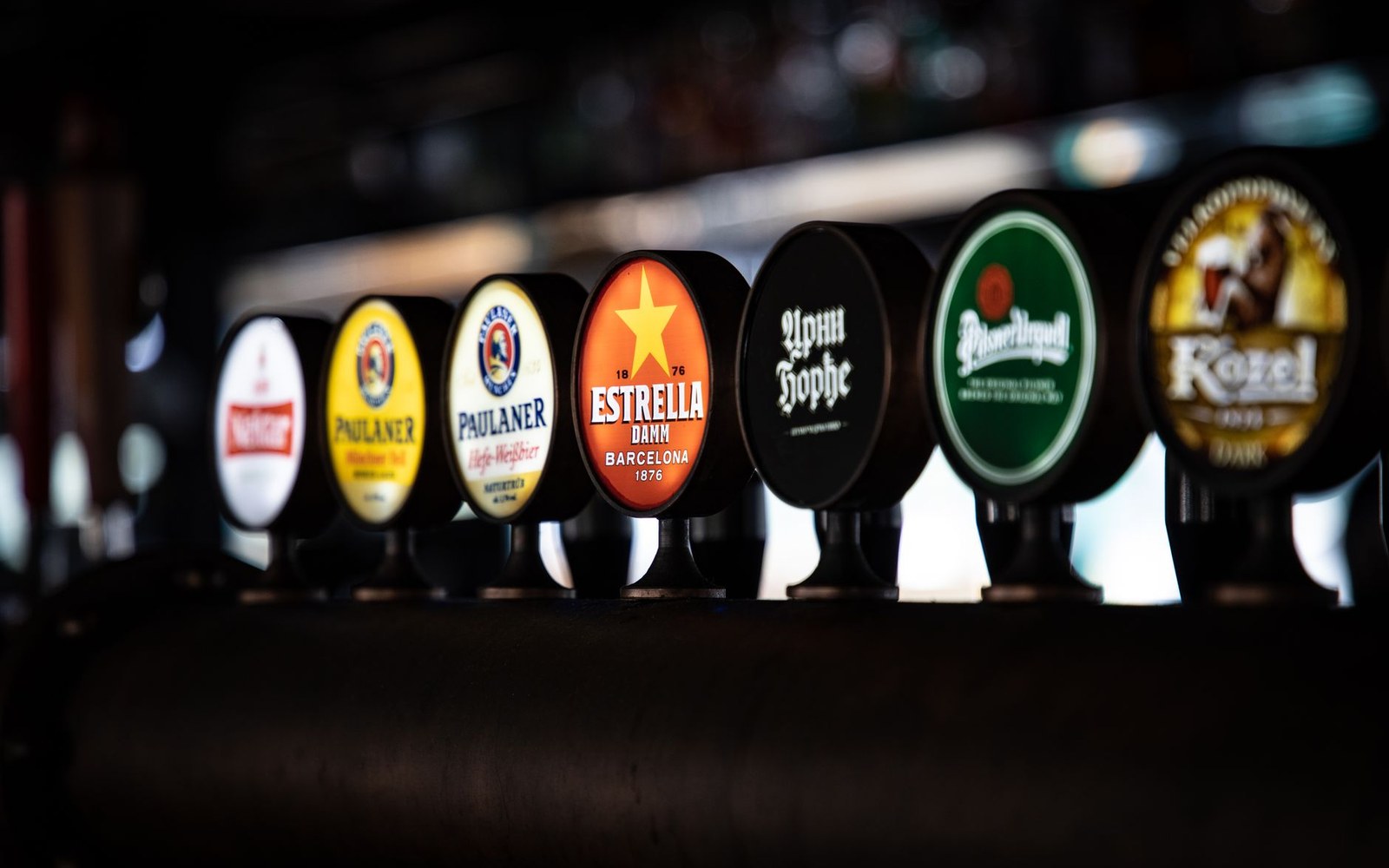
The menu that looks long until you read it
There is a particular species of disappointment that arrives at the bar when you scan twelve taps and realise, somewhere around number seven, that they are all selling the same beer. The names differ. The breweries differ. The ABVs drift between five-something and eight-something. But the colour is the same pale gold-orange, the texture is the same pillowy opacity, and the flavour — you already know this, because you have drunk this beer in forty cities — will be some combination of peach, mango, and a residual sweetness that never quite resolves. You are looking at variety. You are being offered none.
This is not a fluke. It is the outcome of a market that, for a stretch of years, rewarded a specific kind of beer so consistently that smaller producers found it genuinely difficult to justify putting anything else through the fermenters. Hazy IPAs — more formally, New England-style IPAs — became the dominant commercial format for independent brewing in a way that no single style had dominated since the adjunct lager. The logic was not irrational: the style is approachable, forgiving to brew at scale, and attractive on the shelf. Drinkers who had never been interested in the aggressive bitterness of West Coast IPAs found something they liked. Bars found something that moved. The feedback loop tightened until, in many rooms, it closed entirely.
The problem is not the style. A well-made hazy IPA is a legitimate pleasure — soft, aromatic, often genuinely complex on the nose. The problem is saturation without contrast. A menu built entirely from the same flavour family stops being a menu and becomes a single long product in multiple containers. What the beer list is actually telling you includes how little it is telling you, when the answer to every question is the same cloudy pour.
What you can actually do about it
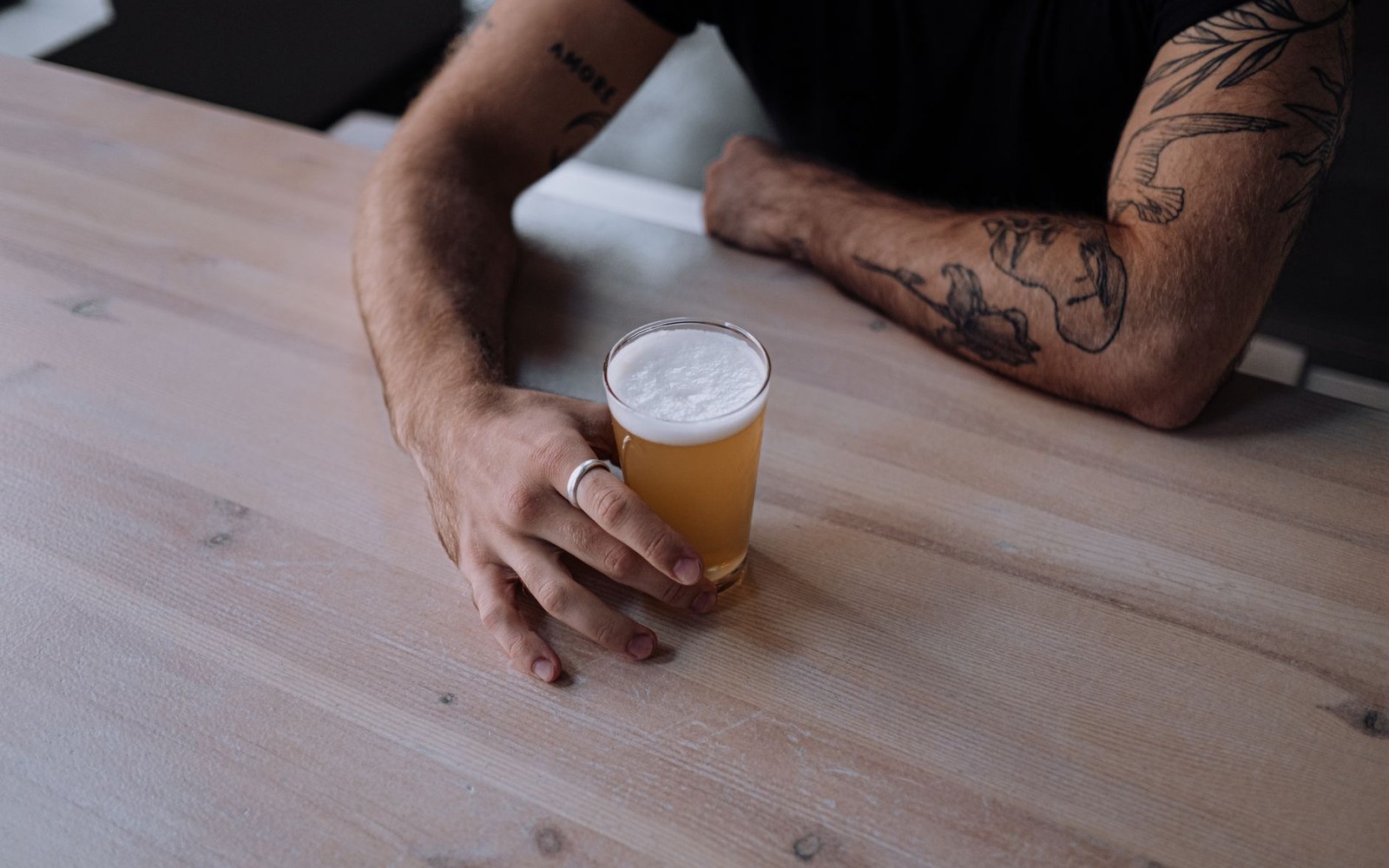
Start with the lager tap, if there is one. Not because lager is the safe or unadventurous choice — it is nothing of the kind when well made — but because a room that keeps one clean lager alongside its haze rotation has usually thought about contrast. That tap is a signal. It tells you someone behind the bar or behind the ordering decisions has a reason for putting it there, which is more curatorial intent than you get from tap eleven and tap twelve being distinguished only by different label art.
Ask about the cask, if the room has one. Cask ale is unpopular enough in certain markets to have become almost a differentiator by accident: a bar that maintains a cask line has accepted that it will sell less of it, move through it more carefully, and lose it if the throughput drops. That is a commitment. The beer behind it may or may not be excellent, but the fact of it is useful information about the room.
Look at what is not on tap. Bottles and cans, when they appear on a menu otherwise dominated by one style, tend to reflect older buying decisions or specific requests — a bartender's preference, a leftover purchase, something a rep pushed through. This is where a pilsner, a stout, a Belgian something, a sour of genuine character might survive. The hazy has the taps because the taps are where the volume is. The edges of the list are where the interesting outliers park themselves and wait.
"Can I just ask the bartender?" is a fair question in exactly this situation. Not to make them explain the entire list, but a specific narrow one: is there anything on here you actually drink yourself? Bartenders who work a haze-heavy tap list but do not personally live inside that flavour profile will often tell you quickly, with something close to relief, that yes, there is a saison in the bottle cooler, or that the dark lager came in last week. The question works because it sidesteps the menu as a document and reaches the person who has tasted things you have not.
The wider readjustment is simpler than it sounds: stop expecting diversity from the tap list and start reading the room instead. A bar that has stocked predominantly one style has told you something about who it is buying for, and that may not be you tonight — which is information worth having early rather than after four rounds of the same cloudy pour in different glassware. The room with the twelve taps that are all the same hazy thing is not necessarily a bad room. It is a room with a point of view. Whether that point of view matches yours is something you can usually work out before you sit down.