Who's Asking · 2 min read · By the house
Getting Home
The logistics of the end — because the night that ends well is the one you remember
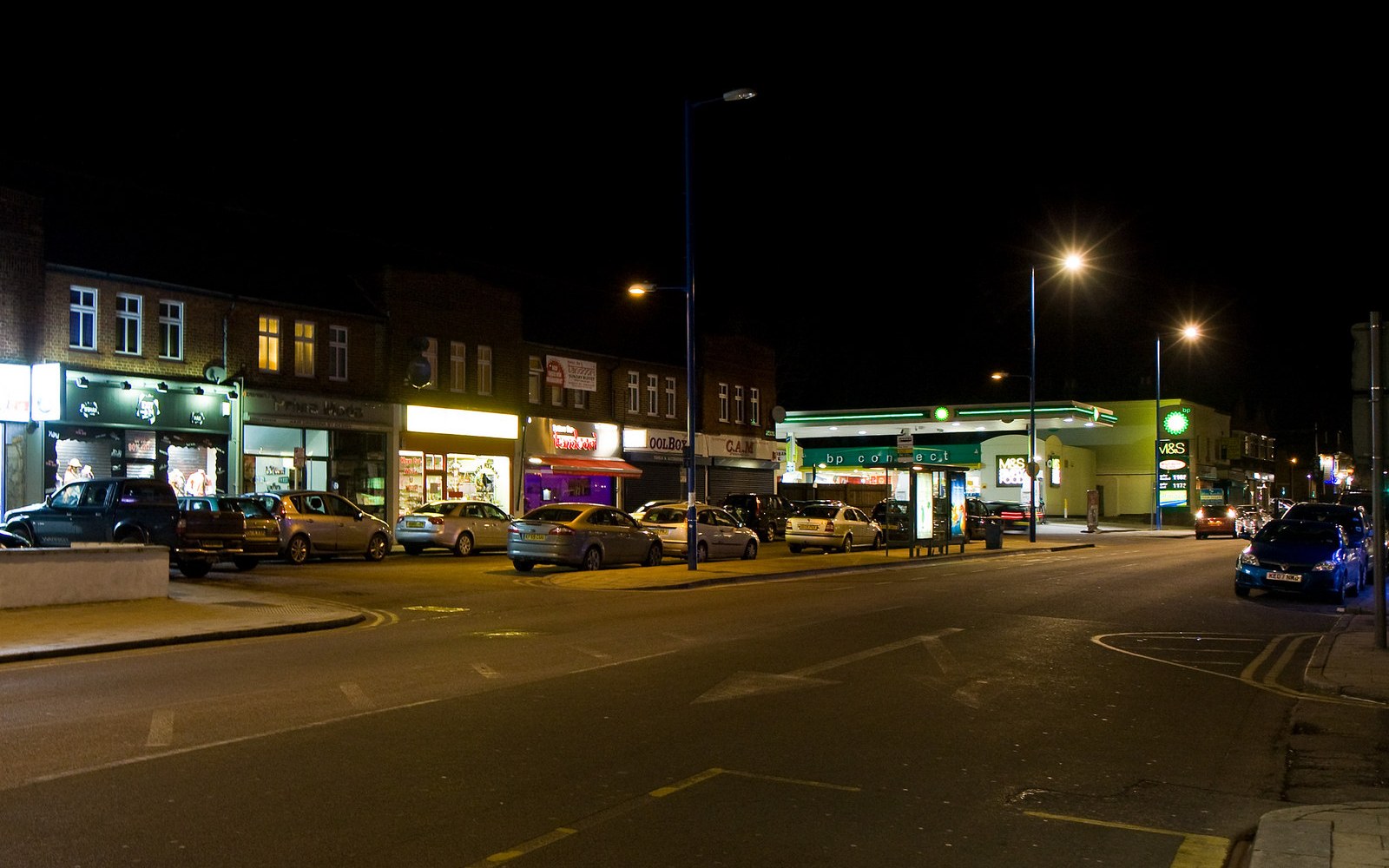
The Exit Is Part of the Evening
The best version of leaving is when you still want to stay. That moment — coat on, last mouthful finished, slightly reluctant — is worth more than the next hour would have been. Most nights you'll know when it arrives. The trick is not to talk yourself out of it.
Practical things first, because they matter: know before you sit down how you're getting back. Not obsessively, just roughly — the direction, the app, whether you need to walk ten minutes to a better pickup point, whether the last train has a time attached to it. Having that settled in advance means you're not making logistical decisions at the worst possible moment to make them.
The room will sometimes tell you when to go. The signs are legible if you're looking — a shift in the crowd's energy, the bartender's attention moving elsewhere, the sense that the place is becoming a different place than the one you arrived in. That's not a failure of the evening. That's the evening completing itself.

Water is not a moral statement. It's just useful, and bars that care about their rooms generally have it without fuss. Drink it or don't; nobody is keeping score.
If you're unsure whether you should drive, you shouldn't. That one requires no nuance.
The good night out is a closed loop — it starts somewhere, it peaks somewhere, and it ends cleanly, which means you wake up the next day with the room still intact in your memory, not reconstructed from fragments. That's the whole case for knowing how you're getting home before you order the first drink.