Long Answers · 3 min read · By the house
The Corner Booth
An essay on why the corner booth is the seat of choice — not comfort but sightlines, acoustics, the particular quality of a conversation that happens when both parties can see the room. Extends into what booth design tells you about a bar's intentions.
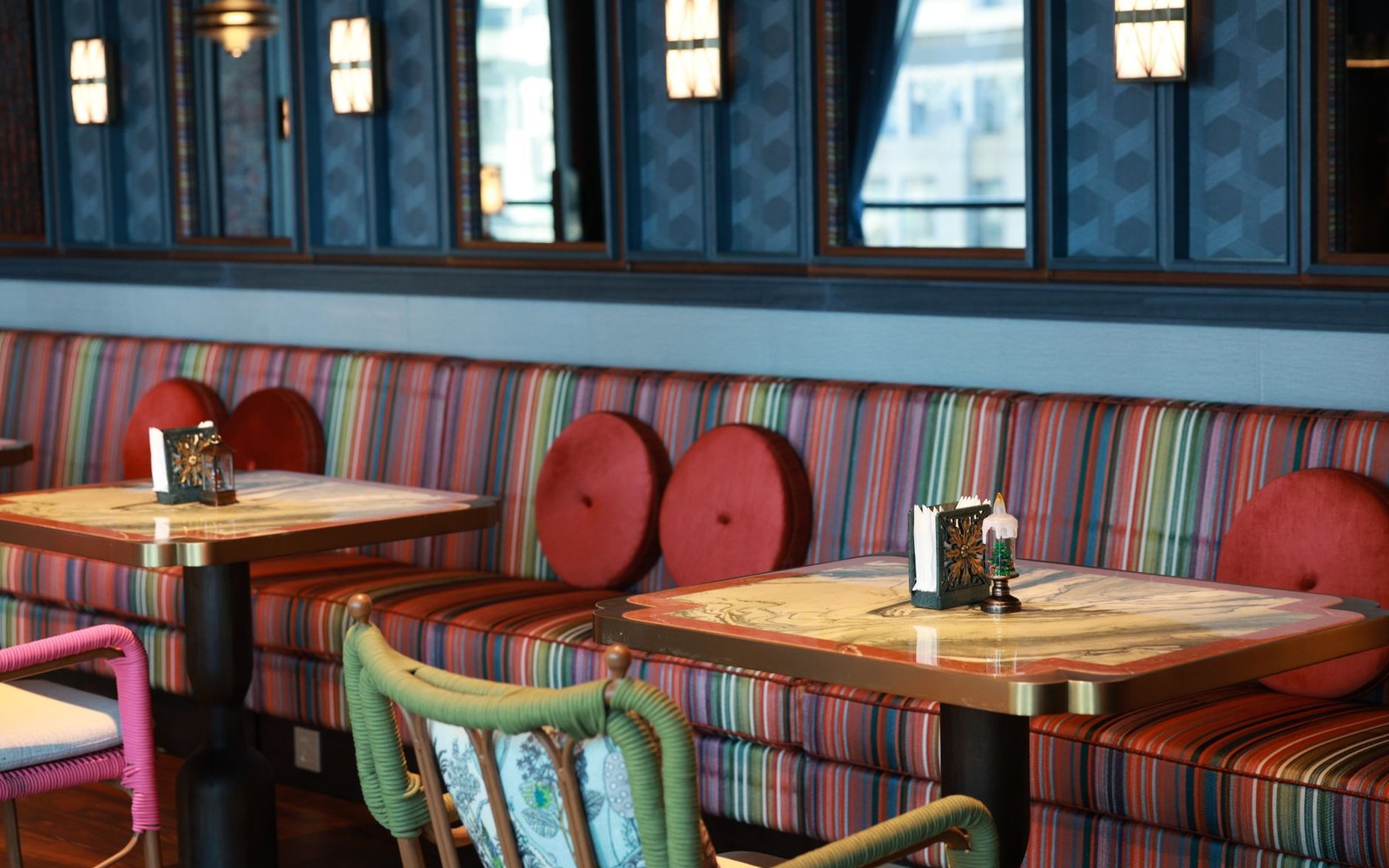
Why it isn't about comfort — it's about what you can see from there, and who designed it that way.
The View You Don't Have To Work For
There is a reason the corner booth fills first. It isn't the cushion. A corner booth in a well-used bar is rarely softer than a decent chair; the vinyl is cracked down the middle seam, and the table wobbles if you put both elbows on the same side. People choose it anyway, and they choose it on instinct, which means they're choosing something they haven't consciously named.
What they're choosing is the wall at their back and the room in front of them. Sightlines, not comfort. When you sit in the corner booth, you can see the door, the bar, the other tables, and the approximate mood of everyone in the place — all without turning your head. The room is readable from there in a way it isn't from the middle, where you're part of the current rather than watching it. Geographers have a term for the preference for positions of cover with broad visual access: they call it prospect and refuge, and it describes exactly what a corner booth provides. Bars didn't invent this instinct. They just learned to build for it.
What Happens to a Conversation in There
The acoustics matter as much as the sightlines. A booth creates an enclosure — hard back, high sides, table between you — and that enclosure turns conversation inward. Sound bounces within it before it escapes. The effect is that two people in a corner booth can speak at a normal register and hear each other clearly even when the room behind them is loud. This is not a coincidence; it's the quiet dividend of the high-backed bench.
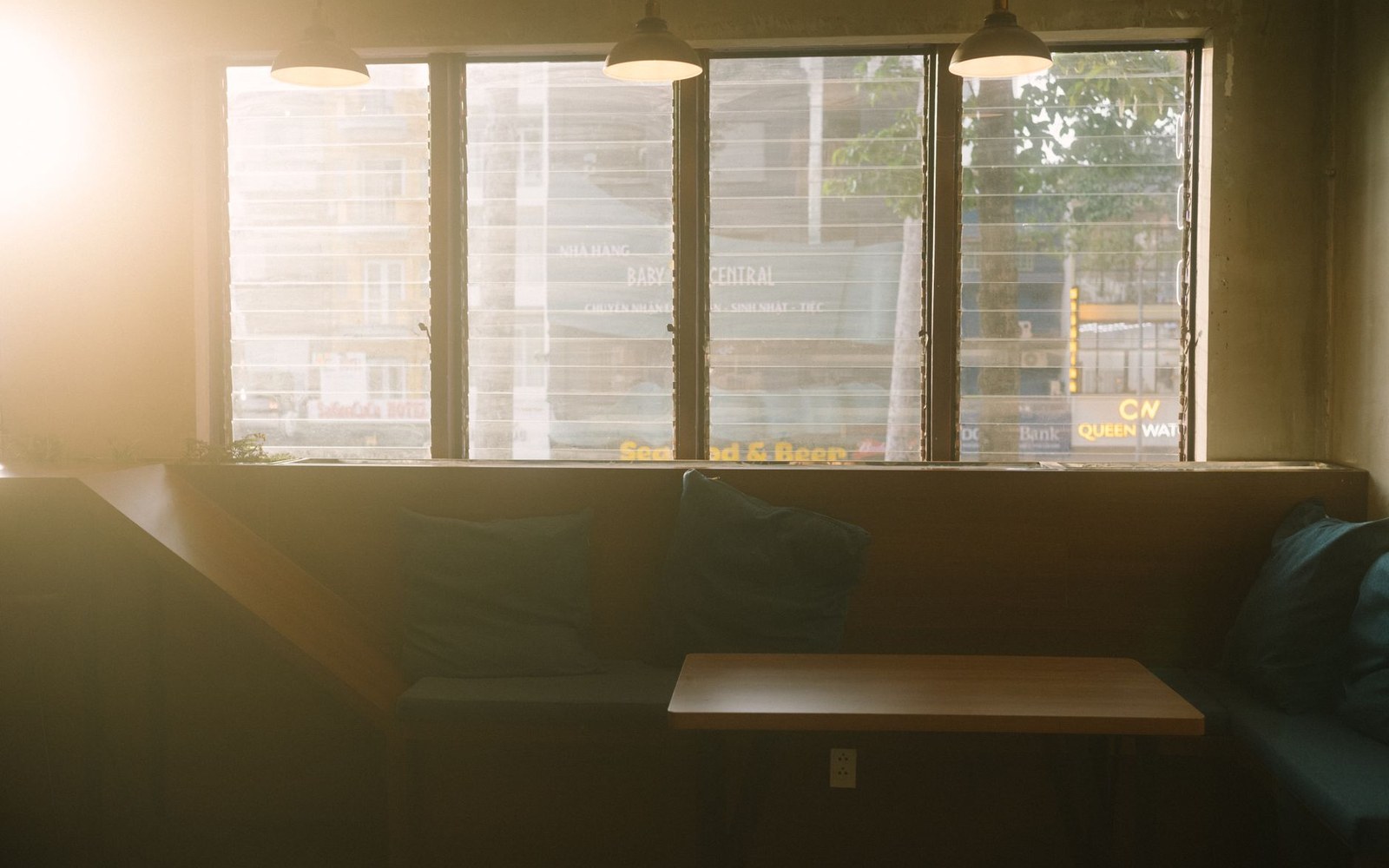
The other thing the corner booth does — and this is harder to explain but anyone who's had a serious conversation in one will recognise it — is give both parties peripheral access to the room while keeping them focused on each other. You're not cut off from the bar's atmosphere; you're held within it while remaining slightly apart from it. The room becomes context rather than noise. Whatever is being discussed acquires a certain weight because it's happening inside all of that.
This is why booths tend to attract conversations that are actually going somewhere: the reconciliation, the decision, the thing that needed to be said. It isn't that people seek them out for those conversations deliberately. It's that the geometry of the booth allows a conversation to deepen without effort, and deep conversations naturally migrate toward the conditions that support them.
What the Booth Tells You About the Bar
Booth design is as legible as the back bar, if you know what to look for. A bar that has installed booths thought seriously about duration. Booths say: people stay here a while. They are a capital investment — harder to rearrange than tables and chairs, committed to a particular theory of how the room will be used. A bar full of high tops and barstools is making a different argument: movement, turnover, a faster tempo. Neither is wrong. They're just different intentions made physical.
The height and material of the booth back tells you more. Low-backed upholstered booths suggest a room designed for dining that also does drinking. High-backed wooden booths — the classic kind, dark and solid, built like church pews on their more comfortable days — suggest a bar that trusts its drinkers to be the point of the exercise. The booth was built for the night, not for lunch.
When the corner booth is worn, that's not a failure of upkeep. That's evidence of duration — the record of how many nights reached something in that corner. A new booth isn't better. It's just less used. The good ones take years to become what they are, and what they are is the room's best seat, which everyone already knew before you arrived and sat down.