Long Answers · 4 min read · By the house
The Hour Before It Fills
On arriving early — what a bar is like in the forty minutes before the evening crowd arrives, what you can learn about a room in that window, and why some people prefer never to stay past it.
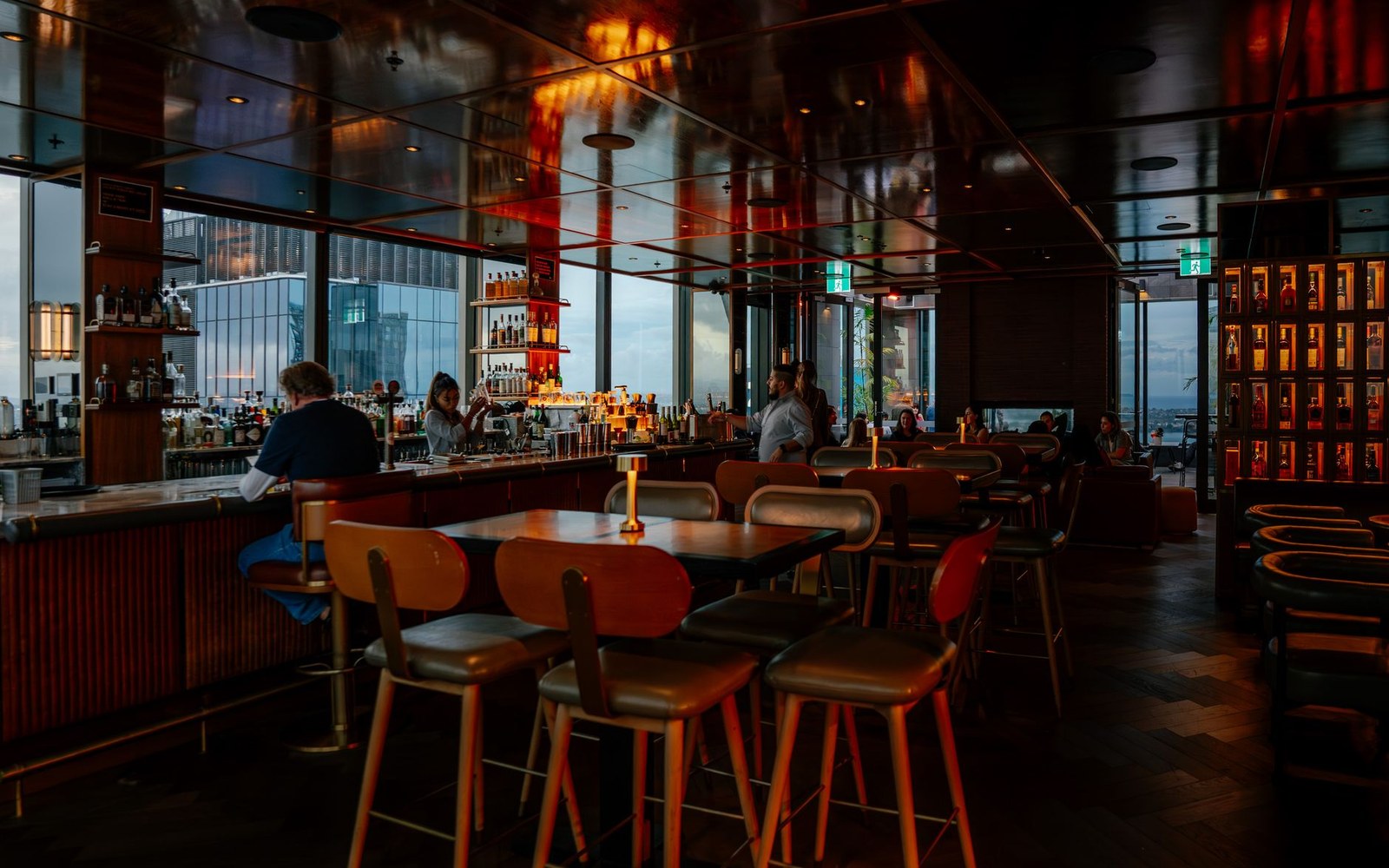
The best version of a room you'll ever see is the one nobody else has arrived for yet
There's a particular quality of light in a bar at six in the evening that doesn't exist at any other hour. The optics catch it differently when nobody's standing in the way. The back bar glows with a kind of inventory-room honesty — bottles forward, labels readable, nothing yet grabbed and put back at an angle. The bartender moves without urgency or performance. The room shows you itself.
This window — call it forty minutes, sometimes less — is one of the more underrated arguments for getting somewhere early. Not because the drinks are better or the service faster, though both tend to be true. Because the room is legible in a way it won't be again until last orders have thinned it back to nothing.
What a room tells you before the crowd arrives
Walk into a bar in that window and your senses work properly. You can hear the ambient sound the owners chose — the record on the turntable, the playlist that cost someone genuine thought, or the television already talking to an empty room, which is its own kind of information. You can smell what the place actually smells like under the beer and the bodies: wood, old stone, something fried, the faint mineral tang of a cellar that runs cold. These things don't disappear when the room fills, but they get buried.
The light matters in a different way too. A bar that relies on darkness for atmosphere — and there are perfectly good bars that do — will often look slightly forlorn before it needs the dark, the way a theatre looks wrong with the house lights up. That's not a flaw. It just tells you what the room is optimised for, which is the crowd that gives it reason to dim everything down. A different kind of bar, the kind built around a good-looking room rather than the atmosphere of strangers packed into one, will use the early light well. Reading what the back bar is telling you is almost only possible in this window, when nobody's three-deep asking for things.
The bartender, too, is different before the wave arrives. Not warmer exactly — though often that — but more present. The pre-shift setup has a rhythm to it: cutting, counting, moving ice, testing the soda line. Someone preparing a room is absorbing in the way any kind of mise en place is absorbing. If you're already there, at the bar, ordering something simple, you're part of that rhythm rather than an interruption of it. Most bartenders will tell you, if you ask them in the right way, that their early regulars are the people they actually know.
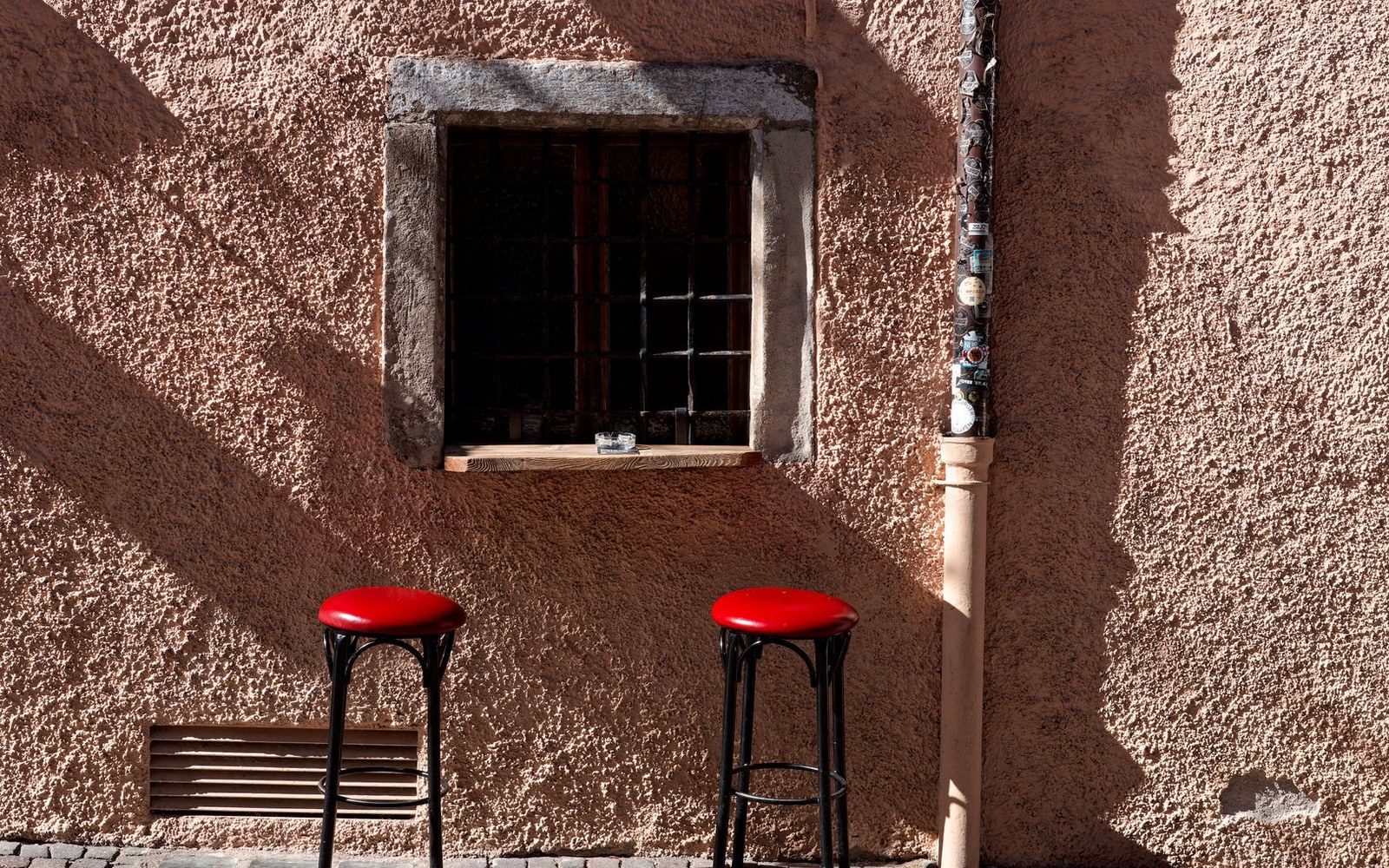
Why some people never stay past it
The people who arrive early and leave before the room peaks are not misanthropes, not always. There's a genuine school of thought — you'll find its practitioners on stools, not in booths, usually drinking something that doesn't require much attention — that the evening is over once it starts. Once the noise reaches a certain threshold, the conversation contracts to the person beside you. The room you were in ceases to be readable. It becomes something else: an event rather than a place.
This isn't a complaint about other drinkers. It's a preference about what drinking a bar is for. The early-hour people came for the room and the quiet use of it. The crowd comes for the crowd, which is its own entirely legitimate reason.
Some rooms are designed for the window. A long bar with stools, good sight-lines, a bartender who talks. These places are often described as neighbourhood bars, which usually just means they reward showing up before it occurs to anyone else to. They reach their best version of themselves somewhere between nearly-empty and half-full, and from there it's maintenance. The room isn't wrong when it fills — it's just finished being the room you came for.
Other rooms are the opposite: spaces that need bodies to work, that feel provisional and slightly sad when the chairs are still on the tables and the lights haven't been properly trimmed. These places have been built for a crowd the way a stage has been built for an audience. Arriving early means watching the production not quite ready for you. There's something interesting in that too, but it isn't the same pleasure.
The question worth asking when you walk in early — before you've ordered, before you've chosen your seat — is which kind of room you're standing in. Whether it's showing you its best self right now, or whether what you're seeing is just the preamble. The answer is usually visible within thirty seconds, in the light, the layout, the particular emptiness of the stools.
Learn to read it and you learn not just where to sit, but whether to stay.