The Questions · 2 min read · By the house
Can I Just Ask The Bartender?
Sets out when asking the bartender for a recommendation is a reasonable move and when it puts them in an impossible position. Distinguishes between bars where the question is welcomed and rooms where it misfires.
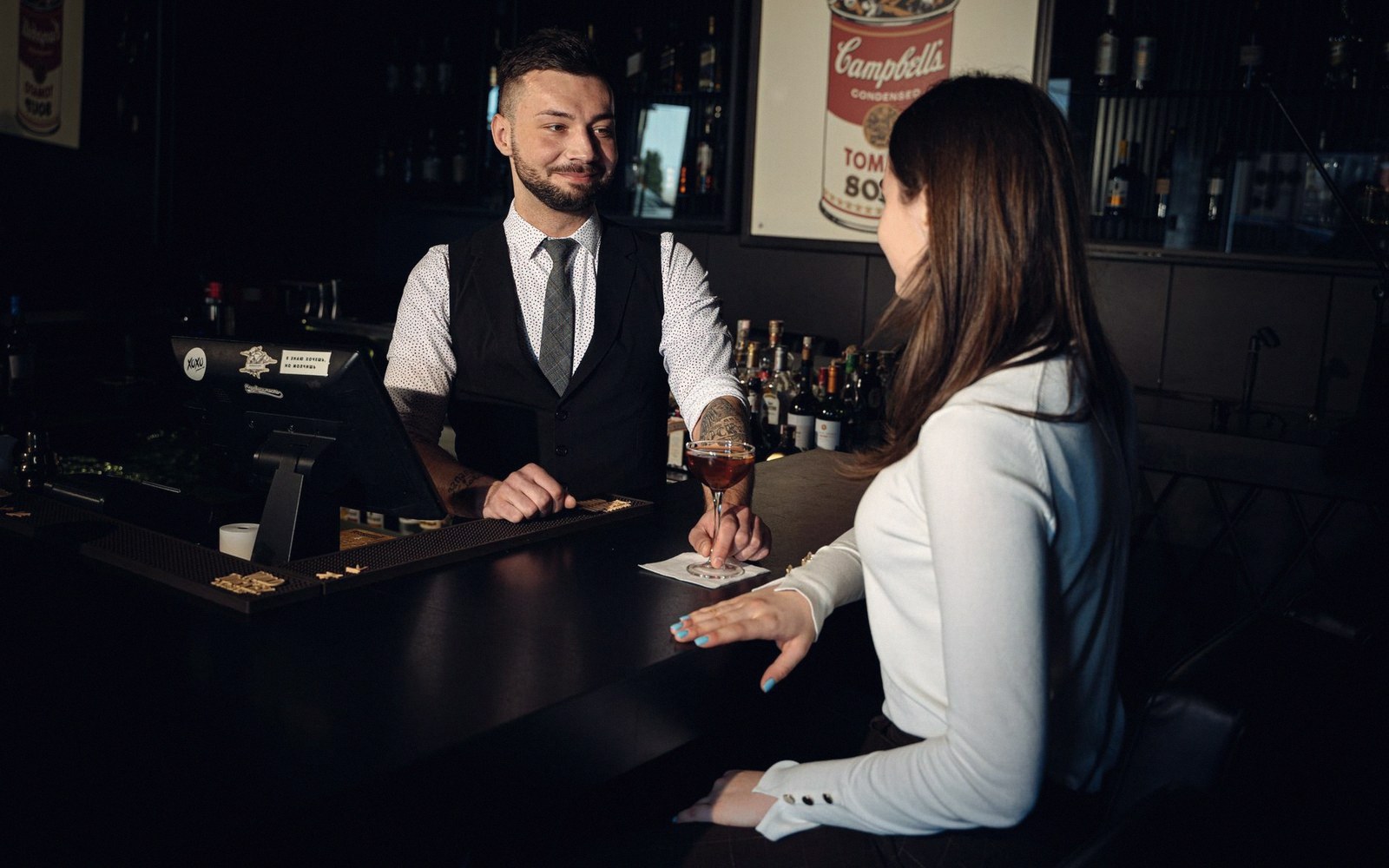
Sometimes yes. Sometimes you're asking them to solve a problem they can't solve.
The question seems simple. You don't know what you want, they know the bar better than you do, so you ask. In certain rooms this is exactly right. In others it puts a person who is busy, and probably underpaid, in the position of guessing what a stranger wants from a list they didn't write and can't honestly vouch for.
The rooms where asking works are rooms where someone behind the bar was involved in building what's behind them. A cocktail bar with a short, deliberate menu, a place where the bartender can tell you what the kitchen is doing with one of the spirits, a neighbourhood room where the same person has been pouring for years — in all of these, the question lands as intended. They have opinions. They have a favourite. They will tell you.
The rooms where asking misfires are rooms where the bar is a wall of bottles the bartender didn't choose, a tap list set by a purchasing manager in another building, and a shift that started forty minutes ago. In those rooms "what do you recommend?" is not a question they can answer with any honesty. It's a request that they perform expertise they haven't been given the conditions to develop. They'll recommend whatever they recommended last, or whatever they're supposed to move, or they'll say the name of something safe. None of this is their fault.
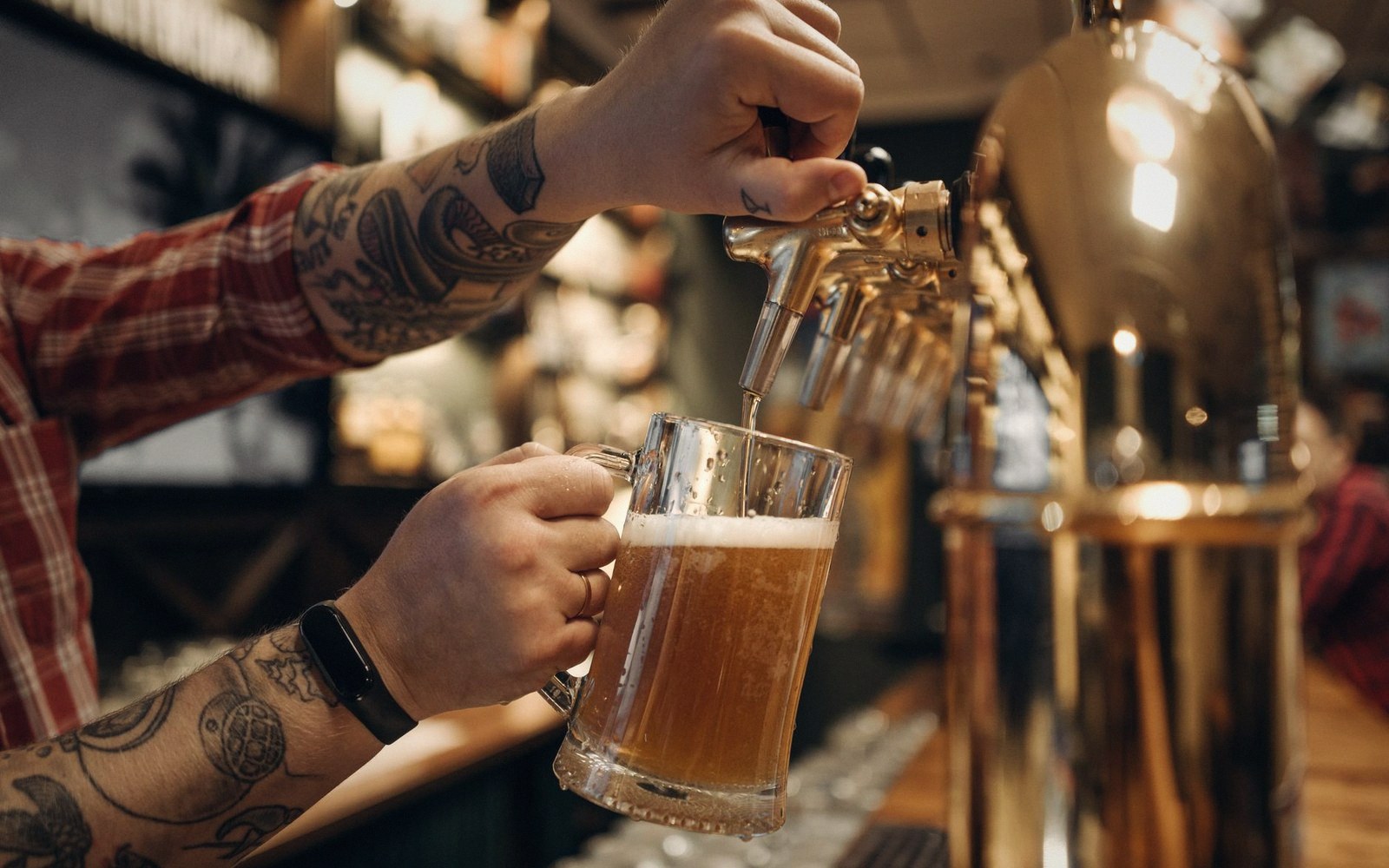
There's a version of the question that works almost anywhere: something narrower. I usually drink X — is there something on here you'd put alongside it? That gives them a direction to move in rather than an open field to stand in the middle of. A question with a premise is a question they can actually answer.
Watch, also, for timing. Asking for a recommendation at the exact moment three other people arrive at the bar is asking to be a problem. Read the pace of the room before you make a request that requires thought. Thirty seconds at the door will usually tell you whether this is a place that has time for you.
And if none of that lands — if the bar is mid-shift chaos and the person across from you is already moving to the next customer — reading the back bar is a way of finding an answer without needing to ask. The room usually has an opinion about itself. You just have to look at it long enough to hear what it is.