Long Answers · 3 min read · By the house
What Do I Order In A Room I Don't Know?
A systematic approach to ordering in an unfamiliar bar — reading the room before the menu, using the bar surface as evidence, calibrating the order to what the room actually does well rather than what you came in wanting.
Read the room before you read the menu
The question arrives before the bartender does. You're in an unfamiliar place, the menu is either absent, laminated, or twelve pages long, and the polite window for deciding is closing. Most people panic and order whatever they always order. That's one approach. Here's a better one.
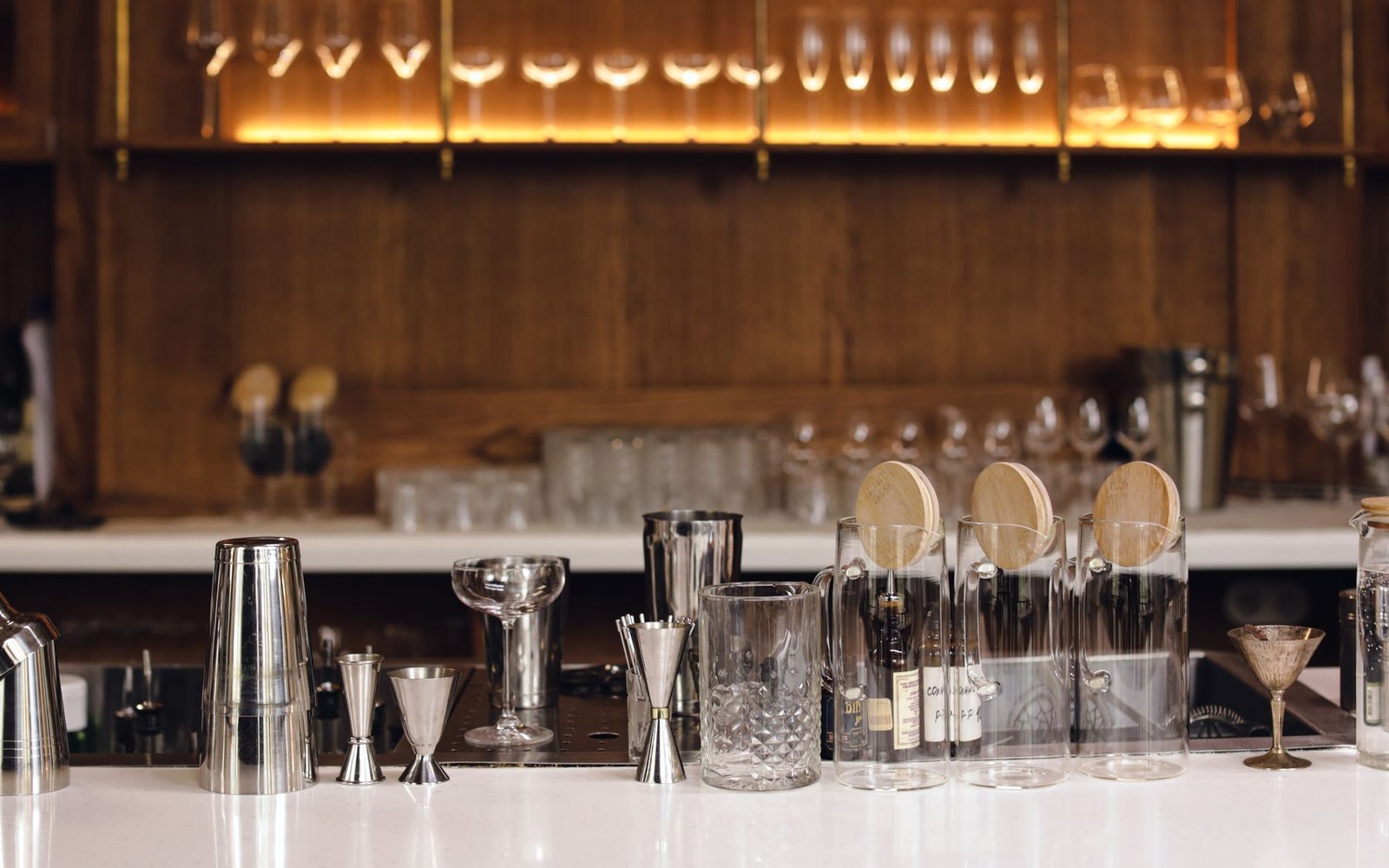
Start with the bar surface, not the drinks list. What's sitting on it? A damp stack of coasters, a tip jar with singles in it, maybe a jar of cherries that hasn't been opened since the previous administration — that's one kind of room. A precise row of clean glassware and a small ramekin of house-toasted nuts is another. Neither is superior to the other, but each is telling you what to order. The first room will make you a fine beer, a decent bourbon and soda, probably a serviceable old fashioned if you press it. The second will actually be thinking about your ice. Order accordingly.
The back bar is the secondary text. A crowded back bar with bottles arranged without obvious logic tends to mean the serious spirits are bought on instinct or habit — which can be excellent, and you should ask what's good rather than scanning for names. A back bar organized by category, with a visible gap where the well whiskey lives, suggests someone is making deliberate decisions about range. How you read those bottles can tell you more than the menu ever will.
Calibrate the order to what the room does
The hardest lesson, and the one most people never internalize: don't order what you came in wanting. Order what the room is set up to deliver.
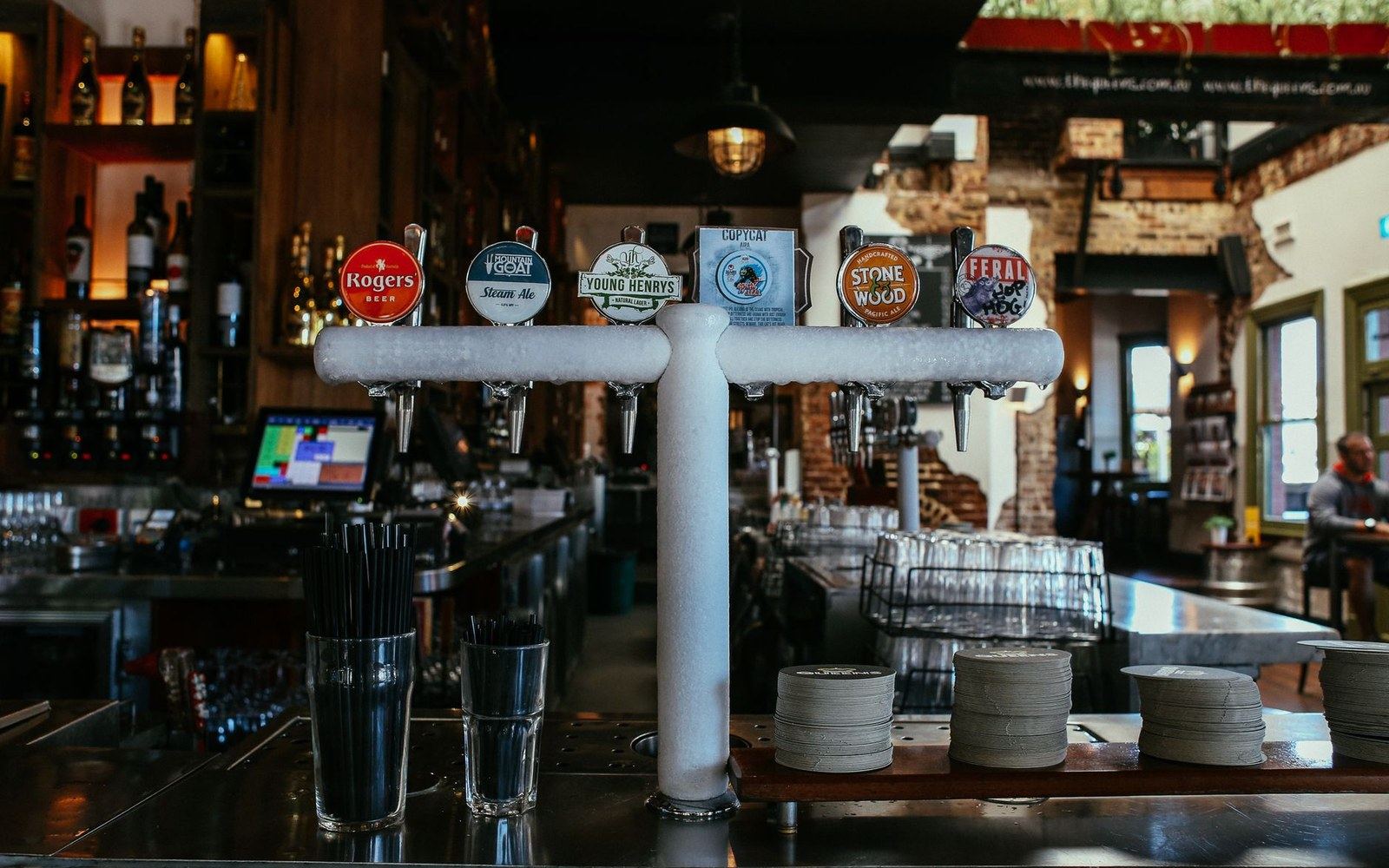
A busy neighborhood bar with four taps and a rail is not the right venue for a lengthy conversation about your preferences. It's the right venue for a draft beer, poured by someone who has poured ten thousand of them, which will be exactly what it should be. A quieter room with a shorter, handwritten cocktail list and a bartender who has time is the right venue for something more considered — and the right moment to say what you generally like rather than naming a specific drink. The bartender will tell you whether they can do it or whether there's something better on the list.
The practical rule: identify the simplest version of what the room seems to be good at, and start there. A first drink in an unfamiliar room is reconnaissance. You can order more ambitiously once you've established whether the place rewards it.
Draft beer is underrated as a diagnostic. A bar that keeps its lines clean, pours with reasonable technique, and sells enough volume to cycle the kegs is a bar that cares about at least one thing. Conversely, a bar that charges cocktail prices and serves cloudy draft poured with four inches of foam has not resolved a basic tension in its own identity. That tension usually runs through the whole menu.
If there's no draft, or if the taps tell you nothing useful, a well spirit and soda is the other honest diagnostic. Not because it's a great drink — it's a functional drink — but because it shows you what the bar considers the floor. A room that stocks a thoughtful well is a room that's thought about its drinkers rather than just its high-margin bottles.
The discipline is to stay curious rather than defensive. You walked into a room you don't know. That's already the interesting part. What it can give you, done well, might be better than what you arrived hoping for. The only way to find out is to ask the right question — which is rarely "what cocktails do you have?" and more often, simply, what's good tonight.