Long Answers · 3 min read · By the house
The Cocktail Bar And The Dive, Same Night
An essay on sequencing — the case for moving between very different kinds of room in one evening, what order makes sense and why, and what each kind of bar feels like when you arrive from the other. An argument disguised as practical advice.
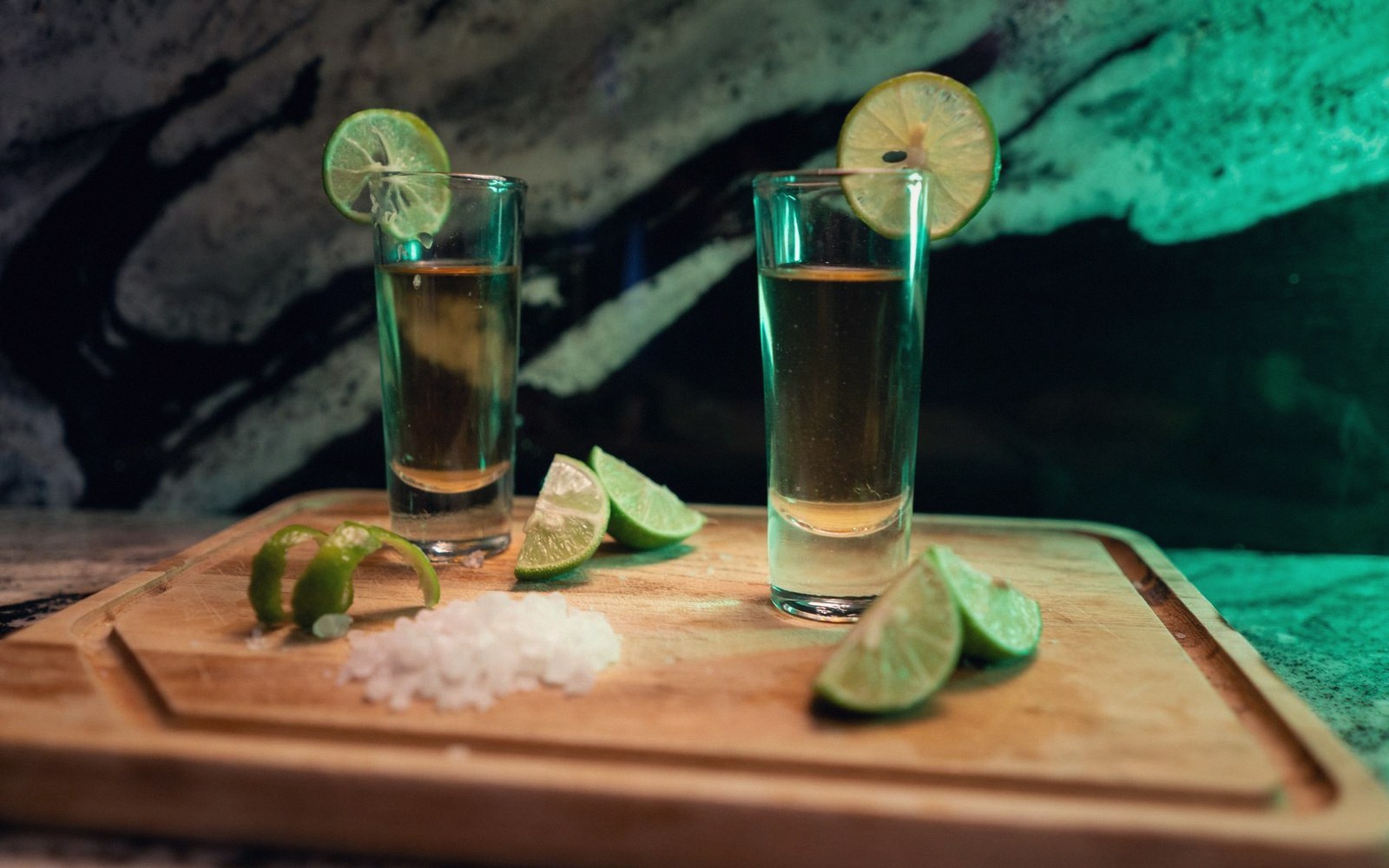
The case for crossing the room entirely
There's a version of a night out that never leaves its lane: same register of bar, same sort of drink, same ambient noise level from eight until last orders. Nothing wrong with it. But something is lost when you don't contrast.
The argument for sequencing — for moving between genuinely different kinds of room in a single evening — isn't about variety for its own sake. It's that each type of bar reveals something about the other that you can't see from inside it. The cocktail bar and the dive are not opposites so much as they are each other's annotation.
Which way you go matters
Start at the dive and end at the cocktail bar, and you spend the back half of your night slightly self-conscious, suddenly aware of your coat, the mud on it, what you sound like when you're already a pint in and the room is quiet and the bartender is precise. This can be clarifying. It can also just be uncomfortable.
The more productive sequence, almost always, is cocktail bar first. Here's the logic. The cocktail bar rewards your attention when you still have it. The thirty seconds you spend reading the room — the back bar, the menu format, the way the place is lit — lands when you're sober enough to actually read it. The drink itself is being constructed for you in real time and deserves your presence. Go early. Go while you're still capable of noticing things.
Then leave before the cocktail bar fills past the point of comfort. That moment — when the stools are all taken and the music tilts upward — is your cue. You haven't outstayed it; you've read it correctly.
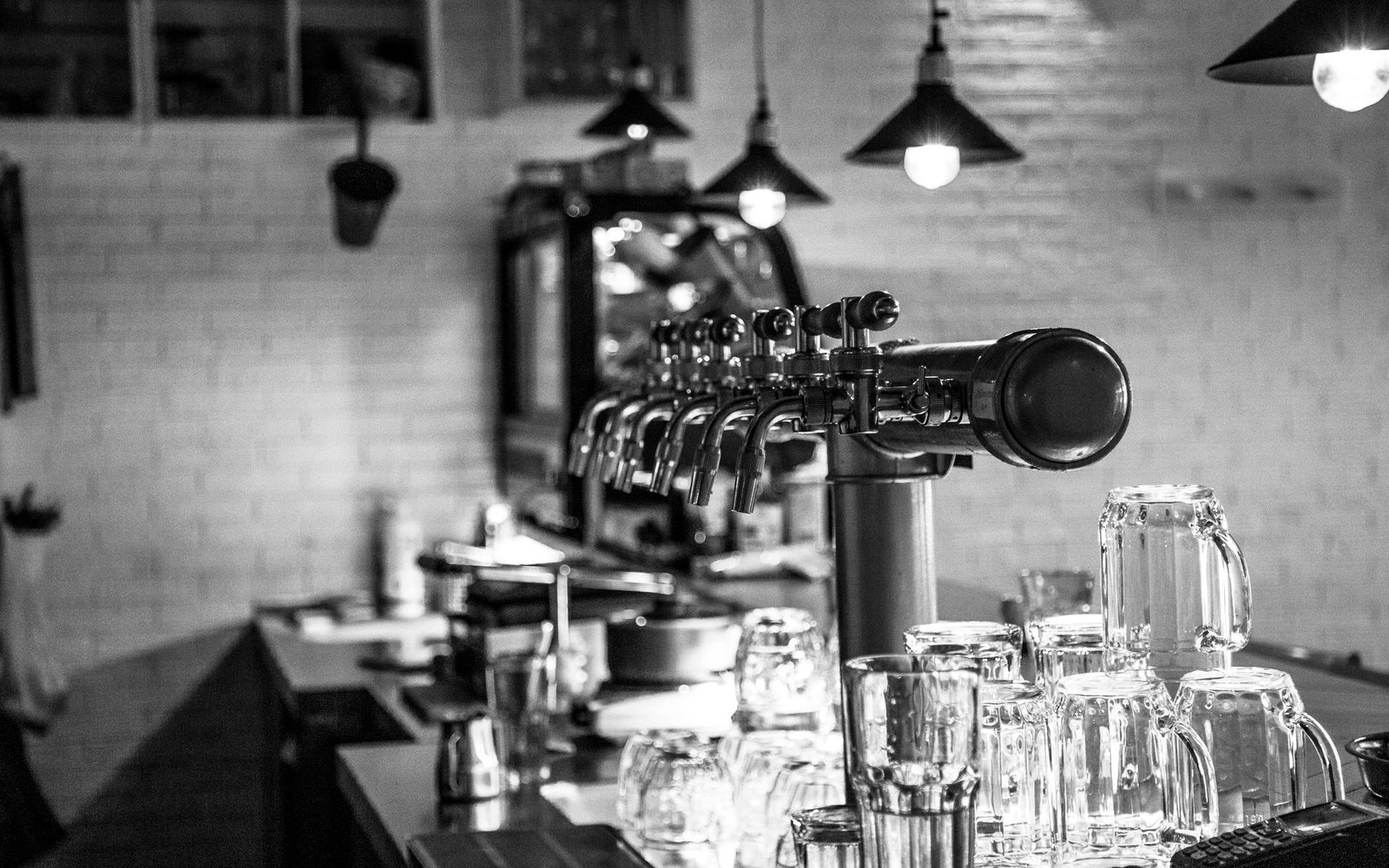
The dive receives you differently. Arriving at a dive after a cocktail bar, you carry something the room quietly absorbs: a looseness, a readiness to be unceremonious. The dive is not judging the hour or your mood. It has seen you in worse states than this, theoretically, even if tonight is the first time. Familiarity is built into the architecture, not the relationship.
What each bar is actually teaching the other
The cocktail bar, visited first, makes you grateful for what the dive doesn't bother with. No one is explaining provenance. Nobody has made a choice about the font on the menu. The beer is cold and the glass is a pint glass and the bartender has refilled it before you entirely finished asking. There is a relief in this that you don't fully feel without the contrast.
And the dive, visited earlier in the week or earlier in the year, makes you notice craft when you encounter it — not as a marketing claim but as evidence. The ice in a well-made drink was cut for a reason. The glassware was chosen. Something about this seems less affected when you know what the unselfconscious version looks like.
This is the argument: the two kinds of room are better company for each other than for themselves, repeated. A night that crosses between them doesn't dilute either experience; it sharpens both. You come out of the cocktail bar knowing what you're looking forward to. You leave the dive knowing what you appreciated earlier.
The sequence is a piece of editing, same as any other. The evening has a shape. You're not just drinking in two different rooms; you're giving yourself something to compare, which is its own pleasure — steadier and slower-burning than either room alone could manage.