The Questions · 2 min read · By the house
Which Seat, Though
The seat is a position, not just a preference
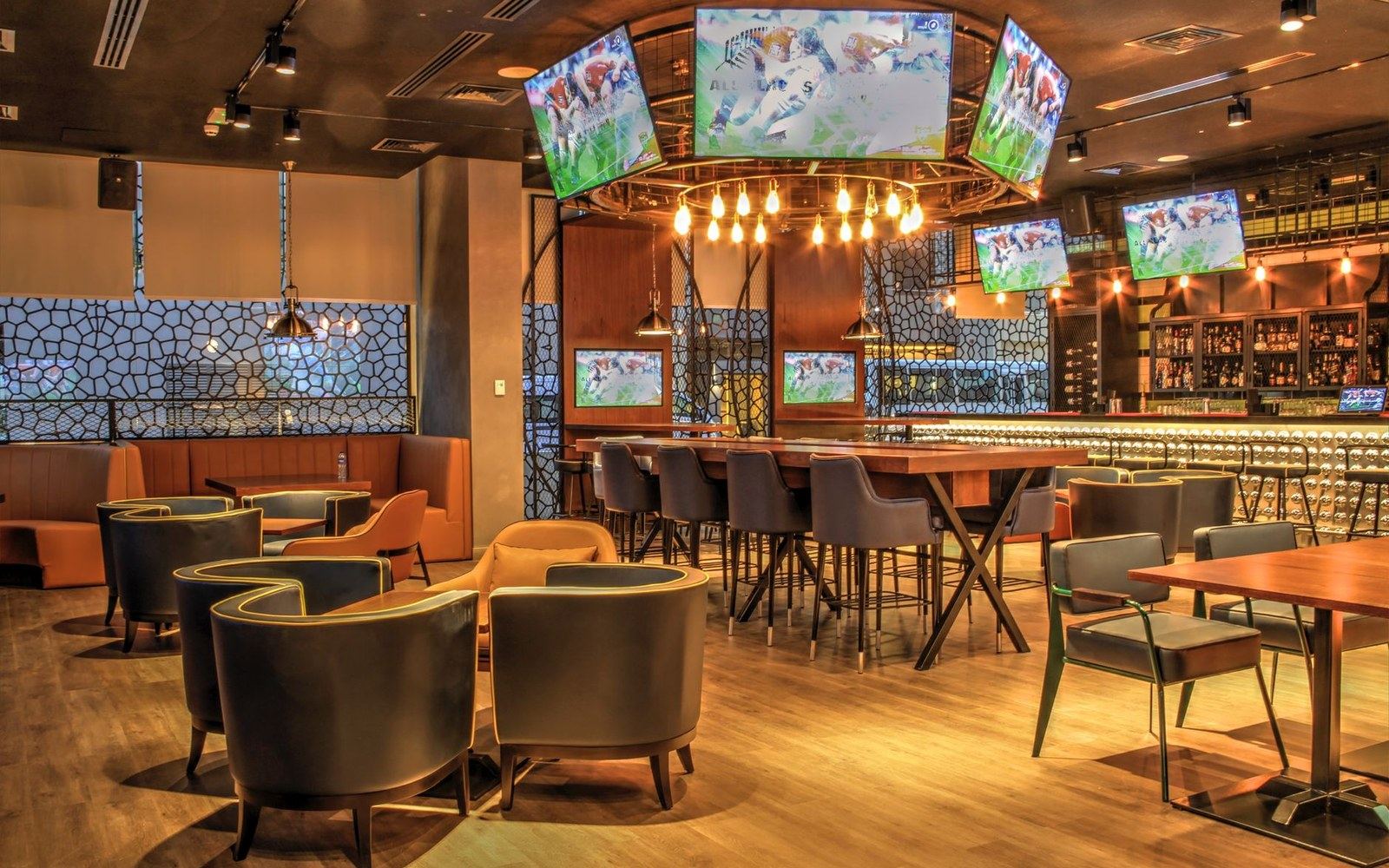
The corner booth gives you the room. Your back is covered, the sightlines open outward, and you can watch the door without appearing to watch it. This is not paranoia — it is the difference between being in a place and reading it. Generals and gamblers understood it first; drinkers who've spent time in good rooms tend to figure it out eventually. The corner booth earns its reputation for a reason that has nothing to do with the cushions.
The bar stool gives you something the booth cannot: access. You are adjacent to the bartender, inside the working rhythm of the room rather than observing it from the margin. The conversation that happens there is not the conversation at a table — it's quicker, more angled, lit differently. The drink arrives without theatre. If you're alone, the bar rail is the right place to be; isolation at a booth reads as waiting for someone, whereas isolation at the bar reads as having arrived.
The worst seat in most rooms is the middle of the bar — the stretch between the service well end and wherever the regulars have quietly claimed. You are equidistant from everything and connected to nothing. Bartenders work around you. Conversations break against you like water around a rock. You didn't choose it so much as default into it, and the room will treat you accordingly.
The back table by the corridor to the bathrooms is a different kind of mistake — not uncomfortable exactly, but trafficked, the steady passage of people breaking whatever you were trying to hold.
Choose a wall. Choose a corner if one is free. Choose the bar if you want to be part of the room rather than watching it. The seat is where the evening begins.