The Questions · 4 min read · By the house
Is This Place A Dive?
The word has been borrowed by people who liked the idea of it
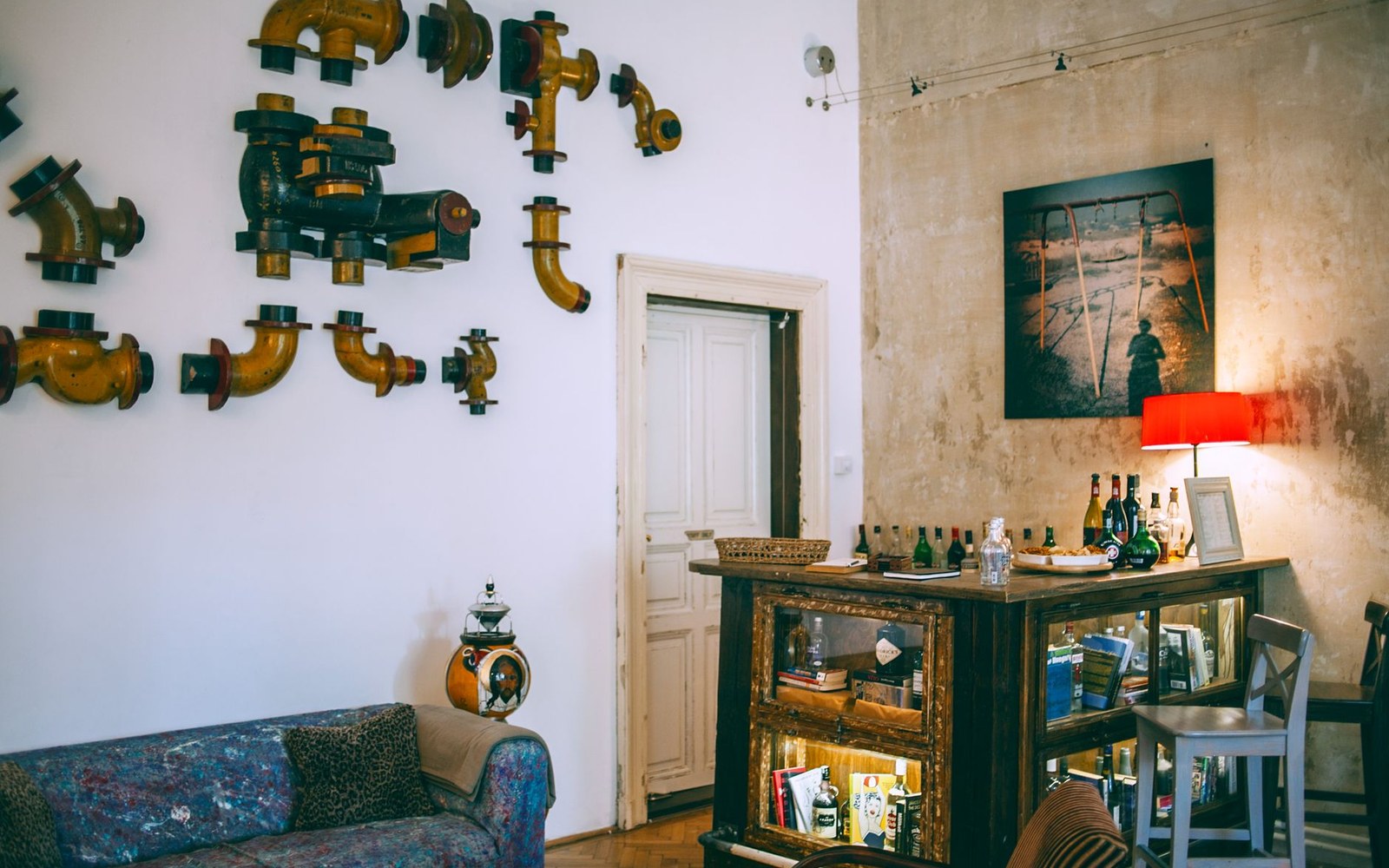
Everyone seems to want to drink in a dive now. The word appears on sandwich boards, in neighbourhood guides, in the names of bars that opened six months ago with reclaimed-wood shelves and a curated selection of amaro. This is worth pausing on, because the people who actually drank in dives — who had no other choice, or who chose them precisely because nobody was curating anything — would find the current enthusiasm difficult to parse.
The confusion is understandable. Dive has become a mood rather than a description, an aesthetic rather than a condition. But if you use it to mean any bar that has a pool table and doesn't charge twelve dollars for a beer, you have lost the word entirely. It no longer tells you anything.
Here, then, is an attempt to give it back its meaning.
What a dive is, observably
A dive is a bar where the primary relationship is between a regular and a room, and everything else is arranged around that relationship. Not customers in the abstract — regulars, specifically, who have long since stopped making decisions about where to go because the question was settled years ago. The room is built around their presence in the way a kitchen is built around a family: the good knife is where it's always been; no one has moved anything because moving anything would be an assertion of ownership that nobody has the standing to make.
The physical evidence of this is consistent. The lighting is low not for atmosphere but because the bulbs were always low and replacing them with something brighter would disturb people. The bar stools are mismatched because stools break and get replaced as individual objects, not as sets. The carpet, where there is carpet, carries information about decades that no renovation has thought worth erasing. The bathroom door sticks in the same place it has always stuck. Nothing has been designed to look a certain way. It looks the way it looks because it is what it is.
The back bar — the bottles on display — will not be arranged by any principle a spirits writer would recognise. There will be bourbon because people drink bourbon. There will be one or two bottles that have been there so long they constitute furniture. There will be almost certainly no cocktail menu, and if there is, it will be handwritten and consist of things like Long Island iced tea, which is not a comment on the quality of the place; it is a comment on what the regulars want.
The television is on. It is always on. Nobody is necessarily watching it but nobody would think to turn it off.
Where the impostors reveal themselves
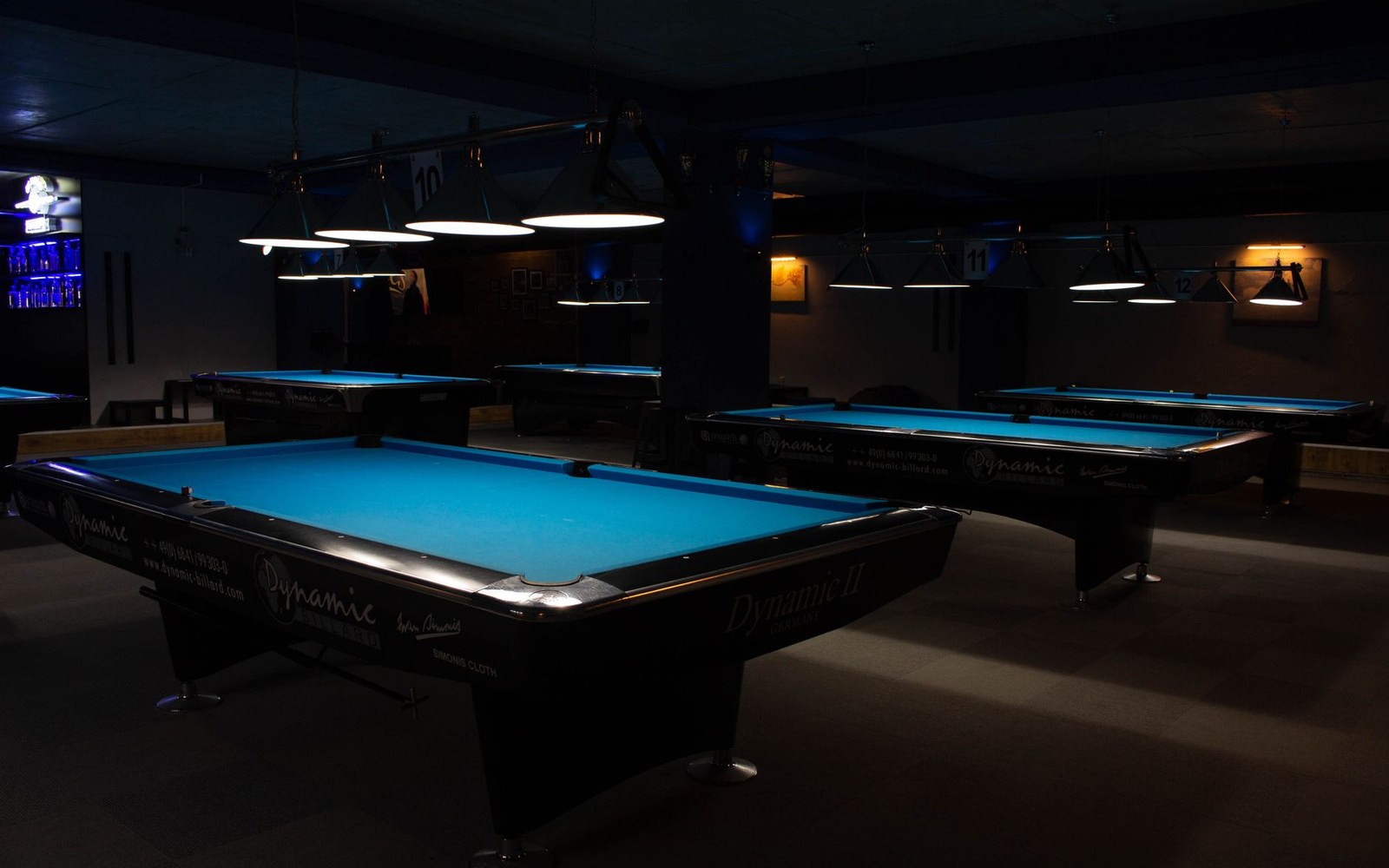
A bar that wants to be mistaken for a dive will get most of the surface details right. The vintage neon, the deliberately scuffed floor, the short list of cheap draft options. It might even forgo the cocktail menu, because that particular signal has been decoded. What it cannot fake is time, and time is what a dive is actually made of.
The giveaway is usually the staff. In a real dive, the person behind the bar has been there long enough that they know the regulars by drink, sometimes before the regulars have sat down. The transaction is minimal — not because the bartender is unfriendly but because the shorthand between regular and bartender has compressed everything down to a nod or a gesture. That compression takes years to develop. A new bar performing dive status will have bartenders who are performing friendliness in a way that reads as effort, and effort is precisely what the dive has always refused.
The other giveaway is the clientele. Dives are not especially cheap on any principled basis — they are cheap because the people who use them cannot or will not pay more, and the bar has never needed to raise prices to attract a different crowd because it has never wanted a different crowd. When you walk into a bar that calls itself a dive and the room is full of people who could plainly afford to be somewhere else, you are in a themed bar. There is nothing wrong with themed bars. But they are not dives.
What you should actually do with the word
Reserve it for places where you feel, on walking in, that you have interrupted something. Not something dramatic — something ambient and long-running, a conversation or a silence that was already there before you arrived and will be there after you leave. The room does not adjust to your presence. You adjust to the room, or you leave.
That feeling is not unfriendly. The better dives are among the most welcoming rooms a person can sit in, once you understand the terms. The terms are simple: you are a guest in someone else's long-running arrangement with a particular place, and the correct response to that is a quiet acknowledgement of the fact. Order something straightforward. Don't rearrange anything. Stay a while if you want to stay.
The full argument about what separates a real dive from its many imitators goes further into the history of the word and the room. This version is just the working definition: a place where time has done the decorating, and the regulars have never left.